
Sergey Kravtsov Discussed Plans for the Development of Pedagogical Education with Heads of Pedagogical Universities
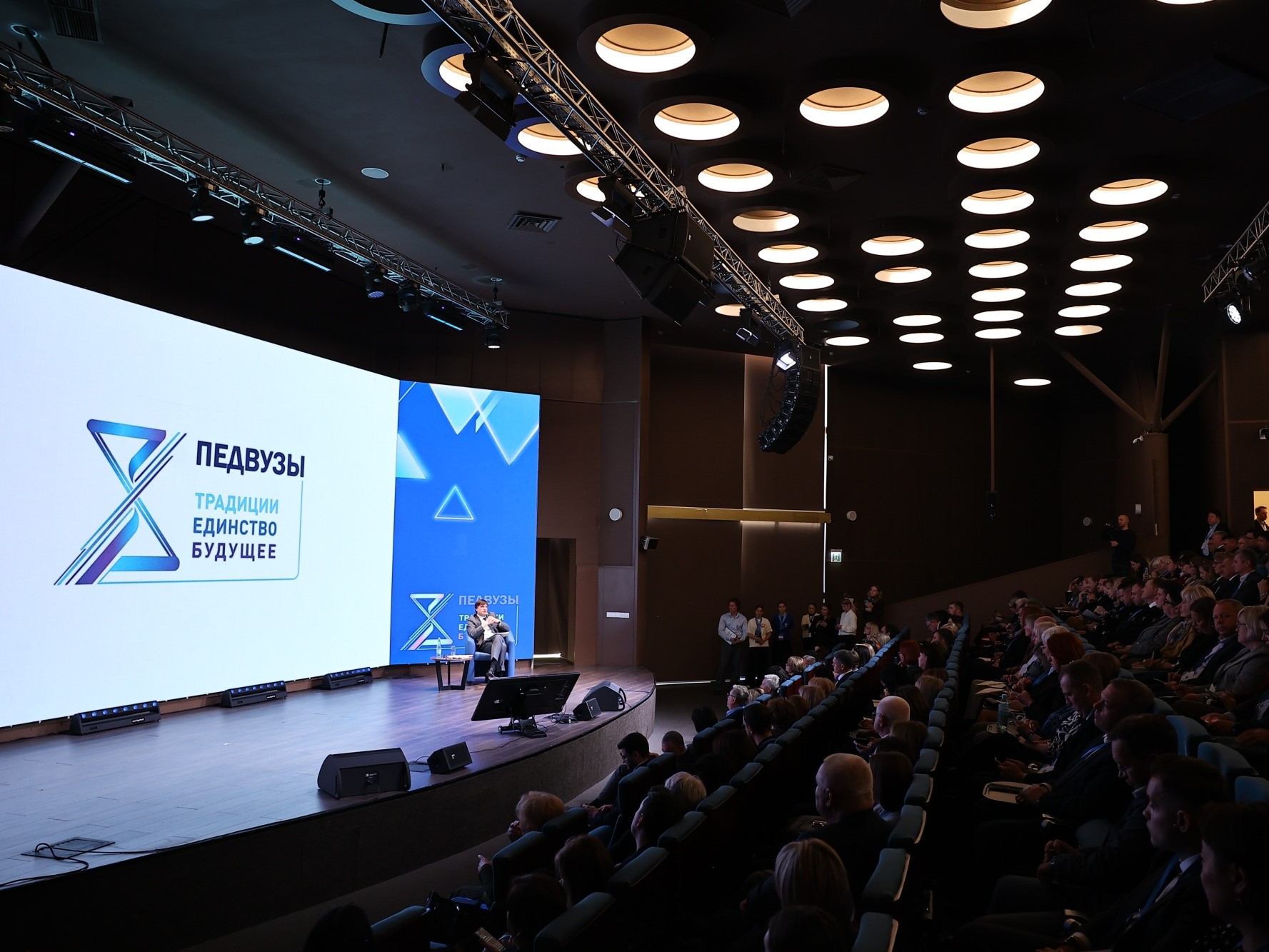
Minister of Education of the Russian Federation Sergey Kravtsov took part in a strategic planning session with the management teams of pedagogical universities on teacher training. The event, held at the Business.Technograd pavilion at VDNKh in Moscow, brought together representatives from all 36 higher education institutions subordinate to the Ministry of Education of Russia.
“Since 2020, pedagogical universities have been under the jurisdiction of the Ministry of Education of Russia, and over the past five years, we have completed an important stage of infrastructural transformation. There are substantial results. This is the achievement of every rector and lecturer. Today’s strategic session is aimed at defining objectives for the next five years. Among our key tasks are the implementation of the ‘Core of Pedagogical Education,’ increasing enrollment in teacher training programs, and strengthening the prestige of the teaching profession. It is vital that each rector develops a tailored strategy for their university and proposes performance indicators”, noted Minister of Education of the Russian Federation Sergey Kravtsov.
He specified that these indicators should include student employment, methodological support for graduates, and the retention of young teachers in schools. In addition, they may encompass cooperation with regional authorities, scientific research, student and faculty exchanges, and the proportion of applicants admitted from specialized pedagogical classes to teacher training programs.
Deputy Minister of Education of the Russian Federation Olga Koludarova addressed the results of pedagogical education development across the country. She pointed out that employment of graduates in their field of study reached 54% in 2025, compared to 47% in 2019.
To date, the target admission numbers at pedagogical universities have increased from 27,000 places in 2019 to 38,000 in 2026. The average Unified State Exam (USE) score of state-funded admitted students rose from 69 to 74.
Special attention is paid to staff renewal. Currently, teachers under the age of 35 account for 22.5% of the workforce, representing 234,500 individuals. At the beginning of the 2026/27 academic year, school vacancies stood at 12,000, or 1.1%. By 2030, the proportion of young specialists in educational institutions should reach at least 40%, while vacancies should not exceed 1%. To achieve this, teacher training must rely on the practical needs of schools, and support for teachers must continue well after graduation.
The "Core of Higher Pedagogical Education" sets a unified framework, content, and learning outcomes for teacher training. It is currently being updated, after which universities will receive revised methodological guidelines. Specifically, significant attention will be given to the use of artificial intelligence and the upbringing of the younger generation.
Particular attention during the strategic session was given to mandatory professional support for young educators. Presidential Decree No. 498 of July 20, 2026, "On Additional Measures of Support for Teachers," provides for mentorship for first-time teachers, continuous methodological support, and professional development. Pedagogical universities must organize this work in partnership with schools so that novice teachers can receive assistance in addressing specific educational and upbringing challenges.
The Minister identified the ability to instill values in children, guide them in evaluating human actions, and help them develop their own perspectives as an essential competency for young teachers. He recalled that the "Conversations about Important Things" program takes place every Monday in all schools and secondary vocational institutions. Pedagogical universities also conduct such classes for students, who in turn prepare to deliver these lessons to schoolchildren.
Since September 1, the new format has been centered around short biographical films about real figures scientists, inventors, military commanders, physicians, and philanthropists - illustrating moral principles through their actions. Participants of the event were able to view one of these films.
Throughout the session, university representatives share experiences and discuss pressing issues. Working within functional groups, they aim to produce a unified portfolio of solutions and initiatives.
The strategic session will conclude on October 29.