
Ready for Any Surprises: The Final Stage of the XIII All-Russian Competition "Best Inclusive School of Russia – 2026" Is Taking Place at MSUPE
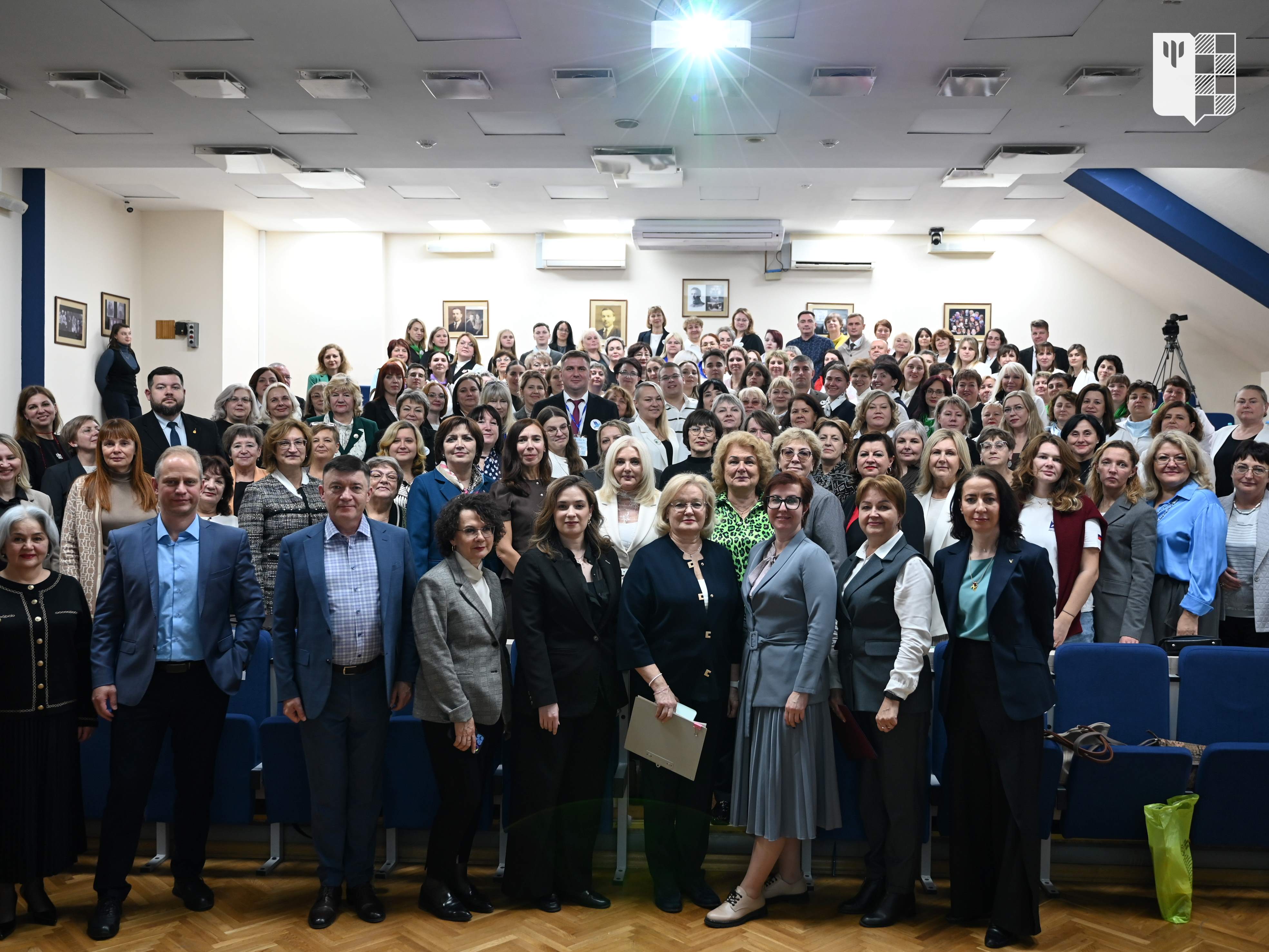
On October 21, the ceremonial opening of the XIII All-Russian Competition "Best Inclusive School of Russia – 2026" took place at MSUPE.
This year, the remote federal stage was attended by 55 schools, 64 kindergartens, 22 children's recreation and health organizations, and 26 resource organizations from 71 constituent entities of the Russian Federation — a total of 167 organizations that won their regional stages.
40 organizations from across the country, selected by the competition jury based on the results of the remote stage, are participating in the in-person final stage.
A welcoming address to the finalists was sent by the Minister of Education of the Russian Federation, Sergey Kravtsov.
"The goal of this competition is to support and develop the best practices of inclusive education and to create an accessible and comfortable environment for every child. Today, all organizations in the education system — from kindergartens and schools to children's centers — give all children equal opportunities to gain knowledge, develop their skills, and communicate with peers.
Inclusion is an important part of the educational process, fostering respect and trust in students. These values create the foundation for a sustainable future for our country.
The competition 'Best Inclusive School of Russia' unites caring professionals whose hearts are open to every student", noted Sergey Kravtsov.
The Presidential Commissioner for Children's Rights of the Russian Federation, Maria Alekseevna Lvova-Belova, in her address to the competition participants, thanked the Ministry of Education of the Russian Federation and Moscow State University of Psychology and Education for their attention to the problems of children with disabilities, their families, and the specialists who work with them.
"Dear participants, you are engaged in a difficult but extremely important and necessary task — helping children learn and develop, realize themselves, and be happy, paying special attention to supporting the families of the children. You create conditions in which children feel comfortable, master educational programs and creative directions, and find friends. We all understand how important it is to build a society in which every person feels needed and important. And you make a significant contribution to this cause", emphasized the Ombudsperson.
A welcoming address to the finalists was also sent by Anna Kuznetsova, Deputy Chairperson of the State Duma of the Russian Federation. In particular, she noted: "The Ministry of Education's competition has united unique people who have dedicated themselves to children, to the mission of educating and upbringing children with developmental characteristics. And the best practices presented by the participants are an invaluable contribution to the future of our children." She also emphasized the need to enhance the prestige of the work of special education teachers, speech therapists, and other correctional specialists. "It is important to create conditions for the development of this field so that young people enter the profession, stay in it, and feel in demand. The competition 'Best Inclusive School of Russia' is a powerful impetus for the development of the entire system," concluded Anna Kuznetsova.
Olesya Vikhristyuk, Vice-Rector for Educational and Social-Psychological Work at MSUPE, said that more than 80 volunteers would accompany the finalists during the competition days, and thanked the Russian Ministry of Education for its trust:
"We thank the Russian Ministry of Education, which entrusts us with holding the competition, and this is no coincidence, because the university has always paid special attention to inclusive education — the Faculty of Distance Learning has existed at MSUPE almost since its founding. For us, the continuity of 'school–university' is important, including in inclusive education", said Olesya Vikhristyuk.
The Chair of the competition jury, Director of the Federal Center for the Development of Inclusive General and Supplementary Education, Svetlana Alyokhina, presented the jury members and noted that they were selected with the highest qualification requirements: "Openness and honesty in the work of the jury are the value of this competition. The result will depend on you. It will show the experience of this great country. Good luck on your journey," Svetlana Alyokhina encouraged the finalists.
Annually, the All-Russian Competition "Best Inclusive School" is supported by partner organizations. On behalf of all partners, Elena Klochko, Chair of the Council of the All-Russian Organization of Parents of Disabled Children and Persons with Disabilities over 18 with Mental and Other Impairments in Need of Representation of Their Interests, addressed the participants. She noted that for the first time this year, parents of children with disabilities and special educational needs were invited to complete a survey in the "Best Inclusive School" nomination: "We hope that the jury will take into account the opinion of parents and that this practice will continue for all nominations in the future," she said.
The competition has been held for thirteen years. Over these years, a genuine competitive movement of the best educational organizations striving for inclusion has taken shape in the country. The in-person federal stage will last 2 days, and on October 23, Russia will learn the winners of the competition in four nominations.
List of finalists on the official Competition website
Organizer of the competition: Ministry of Education of the Russian Federation.
Operator of the competition: Moscow State University of Psychology and Education.
Main goals and objectives of the competition: increasing the activity of organizations working with children; developing, implementing, and disseminating inclusive education practices; drawing the attention of the pedagogical community to the inclusion of students with special educational needs in the education and recreation system; attracting public attention to the development of an inclusive approach in organizations of education, recreation, and health improvement for children.