The Right to Be Heard: The MSUPE Children's Helpline Provides Psychological Support to Children and Adolescents
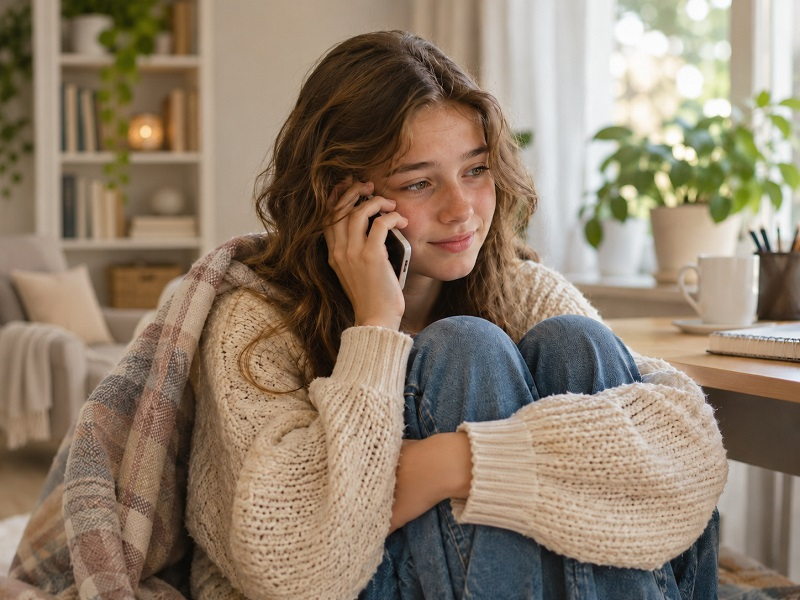
November 20 marks World Children's Day, dedicated to protecting the rights of minors, ensuring their well-being, and creating conditions for their full development. One of the most crucial conditions for a child's psychological safety is the opportunity to speak openly about their feelings and receive timely professional support.
In 2026, the Children's Helpline of the Federal Coordination Center at MSUPE continues to provide free and anonymous psychological assistance to children, adolescents, and their parents. Making counseling directly accessible to minors is of particular importance—approximately 67% of thematic inquiries to the service come from children and adolescents.
The reasons for reaching out are diverse. They include difficulties in relationships with parents and peers, conflicts in educational institutions, concerns about appearance and self-esteem, feelings of loneliness, anxiety about the future, struggles with self-acceptance, and emotional experiences associated with age-related changes.
Among thematic inquiries from minors, roughly 22% relate to peer relationships, 18% to family relationships, and 12% to relationships between the sexes. Another 8% concern difficulties with self-acceptance. This breakdown of requests demonstrates how vital interpersonal relationships and the opportunity to discuss personal feelings without fear of judgment are for children and adolescents.
Often, an adolescent's initial inquiry conceals deeper emotional struggles that are difficult to discuss with loved ones. For instance, a complaint about a conflict with parents may be accompanied by feelings of being misunderstood and a lack of emotional support, while difficulties communicating with peers may stem from a fear of rejection and pronounced self-doubt.
In such situations, a psychologist's work involves attentive regard for the child's subjective experience, respect for their feelings, and creating a safe environment to discuss emerging challenges. Specialists help minors recognize their own emotional reactions, identify personal and social resources, and find viable ways to overcome the situation.
Special emphasis in counseling is placed on strengthening trusting relationships between children and significant adults. When necessary, psychologists help identify whom in their close circle a child can turn to for support and provide information on options for receiving additional assistance.
When to Seek Help
One does not need to wait until difficulties become unbearable to speak with a psychologist. A quarrel with a friend, a sense of loneliness, anxiety before an important event, strained relationships with loved ones, or feelings that are hard to put into words are all valid reasons to reach out. A child does not need to formulate a "proper" request in advance; the conversation can begin simply by sharing what is troubling them right now.
It is important for adults not only to notice changes in a child's emotional state, but also to inform them about available avenues for support. A trusting conversation, respect for the minor's feelings, and a calm suggestion to speak with a psychologist help lower barriers to seeking help. At the same time, a child's right to speak independently about their feelings and ask questions deserves full respect.
The work of the Children's Helpline at FCC MSUPE helps uphold a child's right to psychological support and fosters an accessible support environment where a minor's experiences are taken seriously and their need to be heard becomes the starting point for professional counseling.
Where to Turn for Psychological Assistance
- All-Russian Children's Helpline: 8 (800) 2000-122, or the short mobile number 124. Written inquiries can also be sent via email to childhelpline.ru.
- MSUPE Children's Helpline: 8 (495) 624-60-01.
- "School of Trust" Psychological Helpline of the Ministry of Education of Russia: 8 (800) 707-02-01. Written consultations can be obtained by filling out the form on the MSUPE website or by emailing liniya@mgppu.ru.
- Crisis Psychological Assistance Hotline of the Ministry of Education of Russia: 8 (800) 600-31-14.
Assistance is provided around the clock, anonymously, and free of charge.